

Hey there! As a supplier of Cryogenic Air Separation Units, I've seen firsthand how crucial the after - cooler is in these systems. Today, I'm gonna share some tips on how to maintain the after - cooler in a cryogenic air separation unit.
First off, let's understand what an after - cooler does in a cryogenic air separation unit. The after - cooler is responsible for cooling down the compressed air coming out of the compressor. This is super important because in a cryogenic air separation unit, the air needs to be at a certain low temperature for the separation process to work efficiently. If the after - cooler doesn't work properly, it can mess up the whole system and lead to lower efficiency and higher energy consumption.
Regular Inspections
One of the most basic yet essential maintenance tasks is regular inspections. You should visually inspect the after - cooler on a routine basis. Check for any signs of leaks, corrosion, or damage to the pipes and fins. Leaks can cause a loss of refrigerant or coolant, which will directly affect the cooling performance. Corrosion can weaken the structure of the after - cooler and eventually lead to more serious problems. If you notice any signs of damage during the inspection, it's important to address them right away.
Another thing to look out for is the cleanliness of the after - cooler. Dust, dirt, and debris can accumulate on the fins and reduce the heat transfer efficiency. You can use a soft brush or compressed air to clean the fins gently. Make sure to do this regularly, especially if the unit is operating in a dusty environment.

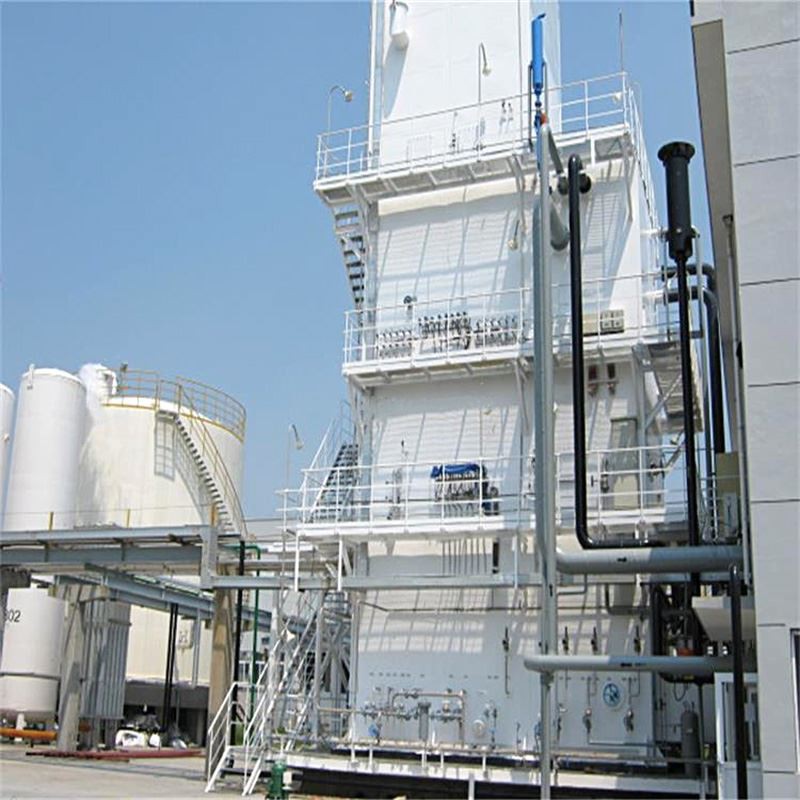
Monitoring Temperature and Pressure
Monitoring the temperature and pressure of the after - cooler is also key. You should keep an eye on the inlet and outlet temperatures of the coolant and the compressed air. A significant change in these temperatures can indicate a problem with the after - cooler. For example, if the outlet temperature of the compressed air is higher than normal, it could mean that the after - cooler is not cooling effectively.
Similarly, monitoring the pressure is important. Abnormal pressure readings can be a sign of a blockage in the system or a problem with the refrigerant flow. You can use pressure gauges to regularly check the pressure at different points in the after - cooler. If you notice any unusual pressure changes, it's time to dig deeper and find out what's going on.
Refrigerant and Coolant Management
The refrigerant or coolant used in the after - cooler is vital for its operation. You need to make sure that the level of the refrigerant or coolant is within the recommended range. Low levels can lead to poor cooling performance, while over - filling can cause other issues.
It's also important to use the right type of refrigerant or coolant. Using the wrong one can not only damage the after - cooler but also affect the overall performance of the cryogenic air separation unit. Make sure to follow the manufacturer's recommendations when it comes to refrigerant or coolant selection.
In addition, you should check for any signs of refrigerant or coolant contamination. Contaminated refrigerant or coolant can reduce the efficiency of the after - cooler and cause damage to the components. If you suspect contamination, it's best to have the refrigerant or coolant tested and replaced if necessary.
Lubrication and Maintenance of Moving Parts
Some after - coolers have moving parts, such as fans or pumps. These parts need proper lubrication to operate smoothly. You should follow the manufacturer's guidelines on lubrication intervals and the type of lubricant to use.
Regularly inspect the moving parts for any signs of wear and tear. If you notice any unusual noises or vibrations coming from the moving parts, it could be a sign of a problem. In such cases, it's important to stop the unit and have the parts checked and repaired if needed.
Training and Staff Awareness
Having a well - trained staff is essential for proper after - cooler maintenance. Make sure that your operators are familiar with the after - cooler and its operation. Provide them with training on how to perform regular inspections, monitor temperature and pressure, and handle any potential problems.
Staff awareness is also important. Encourage your operators to report any issues they notice with the after - cooler immediately. This can help catch problems early and prevent them from escalating into more serious issues.
Importance of After - cooler Maintenance in the Overall System
Maintaining the after - cooler is not just about keeping the after - cooler itself in good condition. It has a direct impact on the overall performance of the cryogenic air separation unit. A well - maintained after - cooler can ensure that the compressed air is cooled to the right temperature, which is crucial for the efficient separation of air into its components.
If the after - cooler is not maintained properly, it can lead to higher energy consumption, lower product quality, and increased maintenance costs for the entire system. So, taking good care of the after - cooler is an investment in the long - term performance and reliability of your cryogenic air separation unit.
Related Products
If you're in the market for a cryogenic air separation unit or related products, we offer a range of high - quality solutions. Check out our Low Temperature Nitrogen Generation System, Cryogenic Nitrogen Plant, and Large Scale Cryogenic Nitrogen Plant. These products are designed to meet the diverse needs of our customers and are built with the latest technology for optimal performance.
Conclusion
Maintaining the after - cooler in a cryogenic air separation unit is a critical task that requires regular attention and proper procedures. By following the tips I've shared today, you can ensure that your after - cooler operates efficiently and reliably, which in turn will contribute to the overall success of your cryogenic air separation unit.
If you have any questions about after - cooler maintenance or are interested in our cryogenic air separation unit products, feel free to reach out to us. We're here to help you make the most of your investment and keep your system running smoothly.
References
- Handbook of Cryogenic Engineering
- Cryogenic Air Separation Technology Manual